
How to Help Your Kids Get Along with Dogs
Welcoming a dog into your family can be a joyful experience, but it also brings challenges, especially if you have kids. Many parents want to know how to keep their children and dogs safe and happy together. Building a bond between kids and dogs is great for both and teaches important skills like empathy, responsibility, and animal respect.
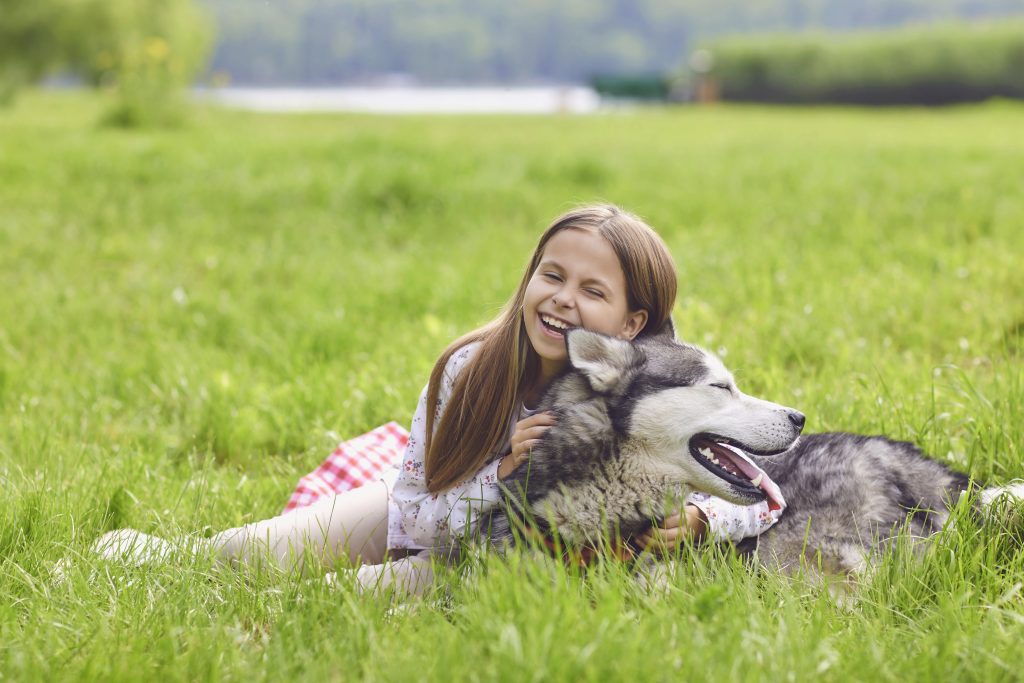
Whether you are thinking about getting a dog or improving how your family interacts, there are simple steps you can take. Here are some ways to help your kids get along better with dogs.
Teach Your Children
Teach your kids about dogs as a first step. Understanding how dogs behave helps them interact respectfully. Explain basic dog body language; for example, a wagging tail often means a dog is excited while barking can signal a need or concern. Use books and videos about dogs to make learning fun.
Involve your kids in conversations about how to care for a dog. Talk about what dogs like, such as play and exercise, and explain the need to give them space sometimes. Role-playing with stuffed animals can help your kids learn how to greet and interact with a real dog safely.
Supervised Introductions
Always supervise the first meeting between your kids and a new dog. Safety is very important, and controlled environments help everyone feel comfortable. Encourage your kids to approach the dog kindly, such as by offering their hand for the dog to sniff first. This teaches them to greet a dog without being threatened.
If the dog seems nervous or moves away, show your kids to give it space. Praise them for being calm and thoughtful around the dog. Positive reinforcement teaches them that being quiet and gentle leads to better interactions.
Teach Proper Feeding Techniques
Involving kids in feeding the dog can be fun and helpful. Explain what is in dog food and how it keeps the dog healthy. This teaches children about nutrition for themselves and animals. You can also help your kids differentiate between brands, familiarizing them with products like Acana dog food.
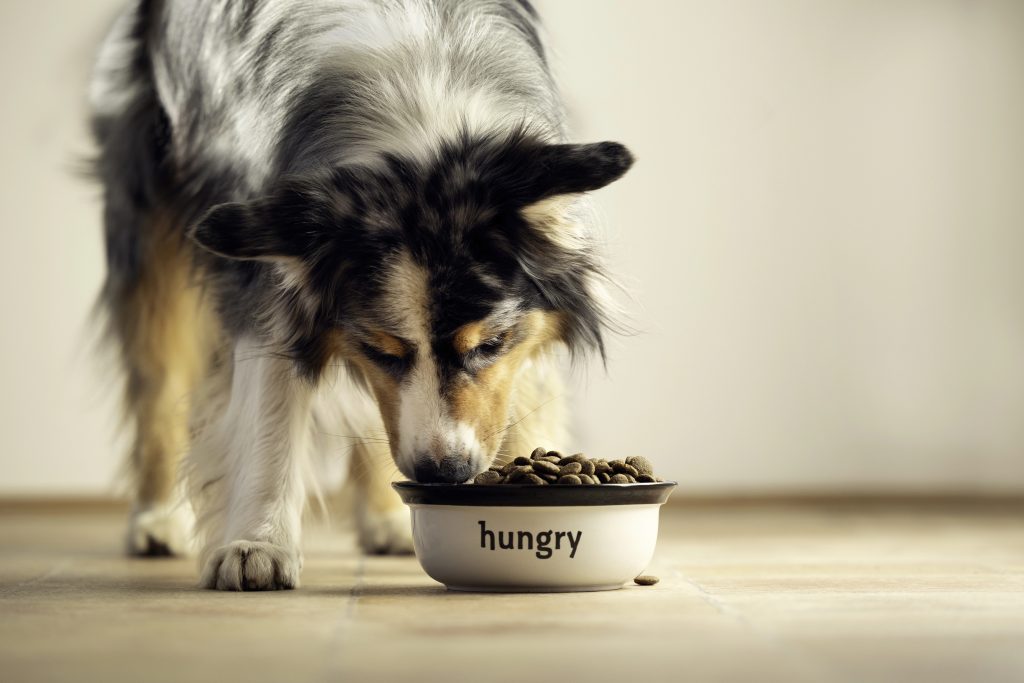
Show them how to measure food portions and discuss what makes a good diet. This gives kids a sense of responsibility. When they feed the dog, it becomes a positive interaction that strengthens their bond. Celebrate their efforts to help, so they know their role is important.
Teach Respect and Boundaries
Teach kids to respect a dog’s space and boundaries. They should not interrupt a dog eating, sleeping, or playing with toys. This helps them realize that dogs have feelings and preferences too.
Get your children involved in setting boundaries. Use phrases like “give the dog some room” or “let’s not pull the dog’s tail.” This language helps kids become more aware of their actions and encourages them to care for the dog’s environment.
Interactive Playtime
Playing with your kids and the dog is a great way to bond. Choose activities everyone can enjoy, like fetch, tug-of-war with safe toys, and hide-and-seek. These games will get everyone moving and help them work together.
Let your kids help choose toys and treats for the dog. This adds excitement to playtime. Giving the dog tasty and healthy food can make it more fun for both kids and the dog. When your kids play with the dog, they learn to communicate better, strengthening their relationship.
Model Good Behaviour
Children often copy what adults do. Your actions with the dog will affect how your kids act around it. Show love by petting and talking gently to the dog. Use calm words and body language to help your kids learn how to express care and connection.
Be a good example in handling minor issues with the dog. If the dog misbehaves or doesn’t follow commands, show patience. This teaches kids that building a relationship takes time and understanding, which fosters compassion for animals.
Consistency is Key
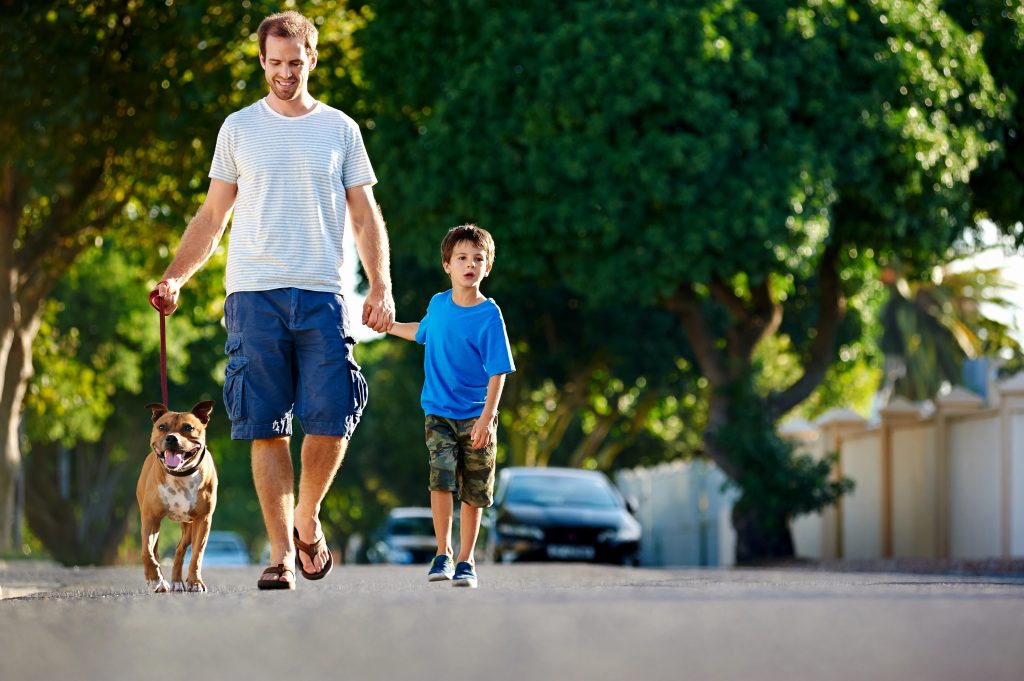
Being consistent helps both kids and dogs feel secure. Set a routine for feeding, walking, and playing. Make sure your kids know their responsibilities. They can take turns helping, which builds their bond with the dog and teaches accountability.
Reinforcing good behaviour for kids and the dog through routines fosters respect and understanding. Over time, this consistency will become a habit, leading to a happier home. Building a friendship between your kids and the dog takes time, patience, and love. The effort you make will create rewarding experiences for the whole family.