
How to Wrap a Baby in a Blanket
Swaddling, also known as wrapping a baby, is an ancient practice that involves wrapping the baby in a soft blanket in a safe and tight manner. This simulates the feeling of containment and comfort that the baby experienced in its mother’s womb.
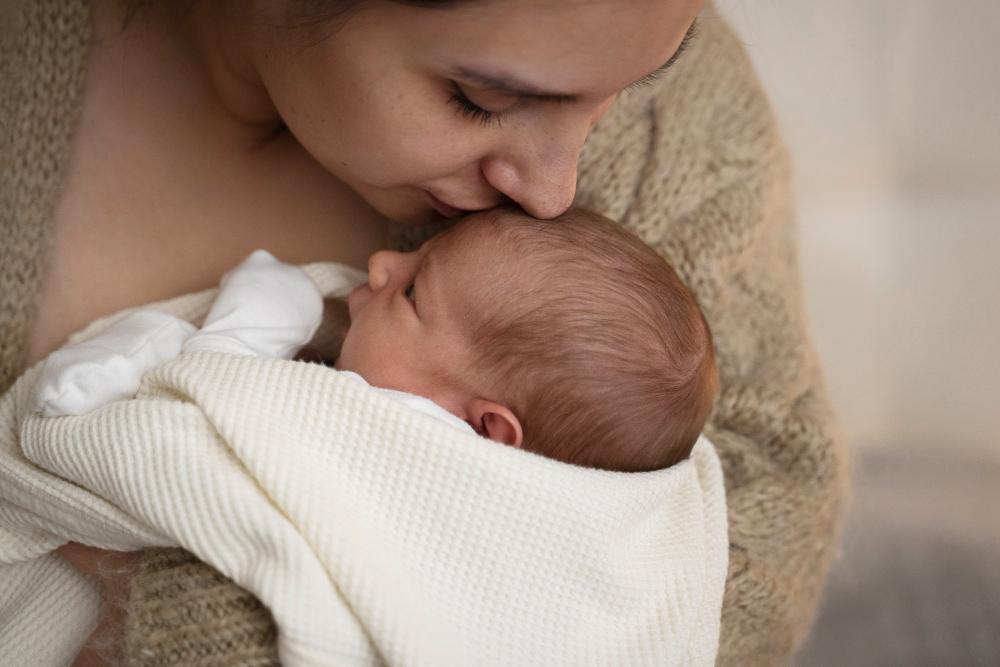
In some countries, it is called “swaddling like a cigarette or a burrito.” This simple practice is used by mothers all over the world to provide comfort and security to their babies. It is a great ally against the dreaded colic of the first month. Such a technique also promotes deep sleep.
So, let’s get the hang of wrapping a baby in a blanket and how to do it properly.
Why to Swaddle a Baby?
People have relied on swaddling as an established method across many cultures to create baby calmness and better sleep quality. A gentle blanket wrapping helps provide support that decreases newborn startle reflexes and prevents sudden awakenings from sleep. Parents use soft, breathable blankets to cover their little babies during swaddling because they want their infants to maintain coziness. To make it even more special, some opt for a personalized blanket with name embroidered on it.
In addition to helping soothe your baby, swaddling can also:
- Improve sleep quality. Swaddled babies tend to sleep more and wake up less during the night, which can also be beneficial for parents.
- Reduce crying. Swaddling can help reduce excessive crying and irritability in some babies by providing them with a sense of security.
- Facilitate breastfeeding. By being calmer and more relaxed, babies may be more receptive to breastfeeding.
When to Start Swaddling a Baby and When to Stop Doing It?
Swaddling is most commonly used on newborn babies, so as soon as you return from the hospital, you can start using a swaddle with your baby. It will help make the first few weeks less stressful!
Stop swaddling your baby at 3 months because at this age, startle reflexes tend to decrease, and babies begin to develop greater control over their movements.
However, it is important to mention that not all babies enjoy swaddling and some may show different preferences. Some babies may resist being swaddled or feel uncomfortable in this position. It is very important to observe the baby’s cues and adapt the practice according to their needs.
How to Swaddle a Baby – The Step-by-Step Guide
Step 1: Choose an Appropriate Blanket
You should use a soft, breathable cotton blanket that is approximately 50×50 inches. Make sure it is large enough to comfortably wrap your baby.
Step 2: Lay Out the Blanket in a Diamond Shape
Put the blanket on a flat surface, forming a diamond shape.
Step 3: Top Corner
Fold the top corner of the blanket down, leaving enough room for your baby’s head.
Step 4: Lay Your Baby Down
Place your baby in the center of the blanket, making sure his or her neck is just above the fold you made in the previous step.
Step 5: Wrap One Side of the Swaddle
Take the left side of the blanket and carefully cross it over your baby’s chest, making sure the left arm is close to the body.
Step 6: Wrap the Other Side of the Swaddle
Next, take the right side of the blanket and cross it over the baby’s chest, making sure the right arm stays close to the body as well.
Step 7: Wrap the Bottom
Fold the bottom corner of the swaddling blanket up and gently place it over the baby’s chest, making sure it’s snug but not too tight to allow for healthy hip movement.
Step 8: Adjust and Secure
Make sure the swaddle is snug but comfortable, allowing your baby to move his or her legs into a frog position.
Secure the swaddle by folding or wrapping the loose ends around your baby’s body to prevent it from coming undone.
Step 9: Supervise Your Baby
Always keep a close eye on your baby while he or she is swaddled, and make sure they feel comfortable and not too hot.
How to Safely Apply the Swaddle
- Make sure the blanket is not too tight to avoid causing discomfort. The blanket must not cover the face of your little one.
- Choose the right blanket. Use a soft, breathable, and appropriately sized blanket or cloth to comfortably wrap your baby. There are specific swaddle blankets available that are specially designed for this purpose.
- Avoid overheating. Swaddled babies may feel hotter than unswaddled ones, so make sure the environment is not too warm. Monitor the room temperature and avoid overheating.
- Leave room for the hips. When swaddling your baby, make sure to leave enough room around the hips to allow for proper joint development.
- No swaddling while sleeping on their back. When your baby sleeps on their back (the recommended position that reduces the risk of Sudden Infant Death Syndrome), it’s best to leave the arms free and swaddle only from the waist down.
Conclusion
Swaddling can be a valuable technique for soothing and improving sleep for many babies. However, every baby is unique, and it is essential to respect their individual preferences and needs. When swaddling, always prioritize safety, and be sure to stay alert to your baby’s cues.
When used properly and safely, wrapping a baby in a blanket can be a beneficial tool to help babies rest and feel comfortable during their first months of life.