
When Should You Choose Electric Fences Over Traditional Fences for a Small Farm?
For small farm owners, selecting the right type of fence is a crucial decision that impacts both daily operations and long-term costs. Electric fences are often the better choice when flexibility, lower upfront costs, and ease of installation are priorities. These systems are particularly useful for quickly moving paddocks, managing rotational grazing, or when fencing needs to be adjusted frequently.
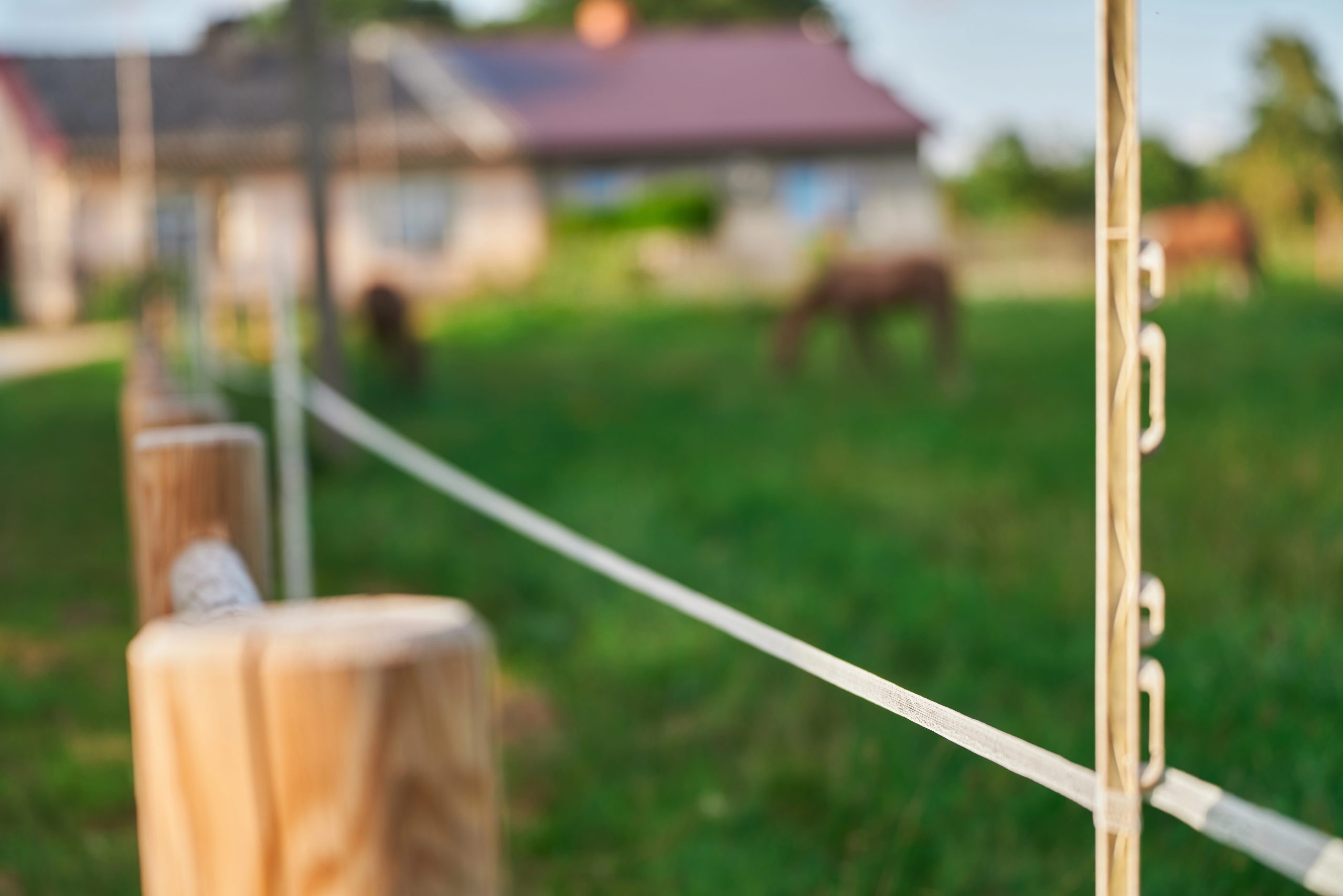
Traditional fencing options can require significant labor and material investment, whereas an electric fence kit provides a more straightforward setup ideal for small-scale or temporary needs. Choosing electric fencing makes sense when long-term security and control over animal movement must be balanced with affordability and adaptability.
Key Takeaways
- Electric fencing suits small farms seeking flexibility.
- Lower installation costs and ease of movement favor electric systems.
- Using electric options when adjusting or relocating fences is important.
Comparing Electric and Traditional Fencing for Small Farms
Choosing the right fencing for a small farm requires careful consideration of livestock needs, cost, durability, and upkeep. Both electric and traditional fencing options have strengths and limitations, depending on the type of animals being managed and the property’s priorities.
Key Differences in Fence Types
Electric fences use a mild electric current to create a psychological barrier. They rely on posts and conductors, which can be wire or tape and are often chosen for their flexibility and lower installation costs. Traditional fencing includes options like wooden posts and rails, barbed wire, woven wire, and composite or vinyl fences. These are physical barriers that rely on visible structure and strength to contain livestock and outline boundaries. While wooden fences are valued for their sturdy appearance, barbed wire fences and plain wire fences are common for multi-animal operations.
The cost of materials and installation is typically lower for electric fencing, especially when enclosing large areas or creating temporary or internal fences. Traditional options, such as post and rail or vinyl, are usually more expensive upfront and require more labor to install.
Livestock Containment and Farm Needs
Different animals and farm layouts demand unique containment solutions. Electric fences are popular for horse farms and rotational grazing setups, as they deter animals by delivering a short shock if touched, teaching livestock not to challenge the fence. Traditional fencing performs well with larger or particularly strong animals, like cattle, that may ignore psychological barriers. For small farms housing sheep, goats, or mixed herds, woven wire or post and rail fencing may provide better containment. Composite plastic fences and vinyl fences are sometimes used for their clean look and low maintenance, but may lack the strength needed for some livestock containment.
Electric fences are favored for internal fences or temporary paddocks due to their flexibility and quick setup. When aesthetics or property boundaries are critical, wooden or vinyl fencing offers a more permanent, attractive solution, especially for residential or leisure-focused small farms.
Durability and Maintenance Requirements
Durability varies widely by fencing materials and type. Traditional fencing, like wooden and vinyl fences, offers a solid physical barrier but can suffer from weathering, rot, or damage from livestock impact. Wood requires periodic painting or replacement of sections, while vinyl is more weather-resistant but can become brittle with age.
Barbed wire and plain wire fences are durable but can corrode or require tensioning over time. Composite plastic fences offer extra resistance to weather but may be less likely to withstand significant animal pressure. For farmers seeking affordable, minimal maintenance options, electric fencing delivers significant advantages.
When to Choose Electric Fencing Over Traditional Options
Electric fencing offers a modern approach for small farm boundaries, emphasizing flexibility and efficiency. Choosing electric over traditional fencing often depends on specific property needs, animal types, and available resources.
Advantages of Electric Fencing for Small Farms
Electric fences deliver a strong psychological barrier without heavy physical bulk. They use mild shocks to deter animals, reducing the risk of escapes. This setup works well for grazing animals, rotational grazing, and temporary paddocks. Installation is typically quicker and costs less than wood or woven wire. Farms with rocky, hilly, or hard-to-reach terrain benefit from lighter and easier-to-handle materials. Repairs are also faster since replacing a single strand is often enough.

Modern electric fencing is energy-efficient and adaptable. Solar-powered fence chargers minimize operational costs and are useful for remote or off-grid properties. Compared to traditional fences, electric systems have a lower environmental footprint, using fewer resources and less physical material.
Essential Electric Fence Components
A reliable electric fence requires several key components. The fence charger or energizer supplies the electrical pulse; options include AC-powered, battery, and solar units. Energizer strength is chosen based on fence length and the animals controlled. High tensile wire is common for perimeter fences needing durability, while low tensile galvanised wire suits temporary or lightweight applications. Proper insulators prevent energy loss by isolating wires from posts.
A robust grounding system, using grounding rods, is vital for safety and shock effectiveness. Insufficient grounding leads to weak shocks and fence failure. Well-planned fence design ensures optimal spacing and prevents shorts, maximizing reliability. Detailed component guides and product choices are available in many online fencing resources, such as this guide to electric fence types and parts.
Conclusion
Electric fencing offers farmers a flexible and cost-effective way to manage livestock and protect property boundaries. Its ability to cover large areas with minimal materials can be especially beneficial for small farms needing adaptable solutions.
Traditional fencing provides a solid physical barrier, often favored for its durability and ability to contain more determined animals. Some farmers choose to combine both approaches for added security and efficiency.