
Dopamine addiction: why do we want more pleasure?
The pleasure trap and the procrastination loop
We live in an age where pleasure is one tap away. Scroll through your phone, open a new tab, grab a snack — everything gives a tiny hit of satisfaction. But why do we always want more? Why does pleasure never feel enough?

Our brain runs on dopamine, a neurotransmitter that motivates us to seek rewards. It’s not the reward itself but the chemical that makes us anticipate one. The problem begins when anticipation becomes the main driver of our actions. We start chasing stimulation, not meaning: refresh, check, repeat.
This loop doesn’t just affect entertainment. It fuels our tendency to delay important tasks. We promise ourselves we’ll start tomorrow, but tomorrow becomes next week. It’s not simply about laziness — it’s about brain chemistry. Understanding how to break the procrastination cycle can help us recognize how dopamine-driven manipulations can defeat long-term goals, even though we strive for good, stable results.
A simple example: you sit down to work but check your messages “just for a second.” That small distraction gives a dopamine hit stronger than the delayed satisfaction of completing a task. Slowly, your brain starts preferring the quick win. Recognizing this dynamic is the first step to changing it.
From habits to dependency — how dopamine hijacks focus
Our modern environment hijacks our brain’s reward system. Each notification, new episode, or like becomes a micro-reward. The brain learns that fast, unpredictable pleasure equals safety and satisfaction. Unfortunately, this keeps us dependent.
Think about gambling: unpredictable wins make players press bright buttons over and over again in the hope of getting positive emotions. The same principle applies to Instagram, YouTube Shorts, and TikTok, only through scrolling.
At first, these actions do not take away motivation instantly, but rather show that deep concentration is better replaced by superficial attention. Then reading a book or completing a project seems “too slow” compared to the speed of digital stimulation we are used to. This is how small habits turn into addiction.
To combat this, people are now exploring mindfulness, digital detoxes, and habit-tracking apps.Some platforms, according to several Liven app reviews, even help users rewire their reward system by tracking small positive routines. The key is not deleting pleasure but redefining what pleasure means.
One useful exercise is to schedule short “dopamine resets.” For one hour, do something physically engaging but mentally quiet, like walking or cooking. Over time, your brain starts to enjoy slower, more natural rewards again.
The science of anticipation and reward
When scientists studied dopamine’s behavior, they discovered something fascinating: our brains release more dopamine in anticipation of a reward than when we actually get it. A 2016 Nature Neuroscience study confirmed that dopamine neurons spike during the expectation phase — meaning our brains crave the chase more than the catch.
That’s why checking social media is addictive, even when we know there’s nothing interesting to see. Every time we think, “Maybe this time there’ll be something cool,” we get a little dopamine rush. Over time, our brains get used to this ‘checking’ rhythm, demanding more of it to get that same quick fix.
Another experiment by Stanford University showed that participants who frequently switched tasks online performed worse on memory and focus tests. Their brains were tuned to reward themselves with something new and accessible, rather than with deep problem solving. And this is a powerful shift in motivation, as if to say, ‘I can feel good by getting something the easy way.’
Having pointed out the downsides of the rapid release of dopamine, I would like to emphasise that dopamine is not evil. It is what makes us get out of bed, awakens our curiosity, and motivates us to achieve. The key difference lies in how we use it. Controlled dopamine promotes growth, while uncontrolled dopamine leads to exhaustion and low ambition.
Why our brain confuses pleasure with purpose
The brain doesn’t care whether dopamine comes from a gym session, a meaningful talk, or a random meme. It just counts chemical hits. Over time, this makes us mistake “what feels good” for “what is good.”
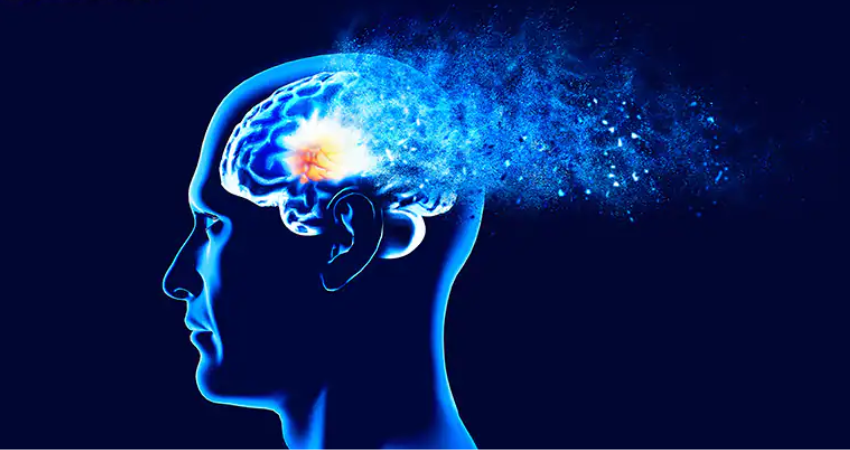
When the brain rewards every quick click, it weakens our tolerance for slower, effortful satisfaction. Reading a book feels boring; finishing a project feels too hard; real connection feels awkward compared to digital validation.
Psychologists call this the “pleasure-pain balance.” Every dopamine surge must be followed by a drop — a temporary sense of emptiness. If we keep chasing more, the balance tilts toward pain. That’s why after binge-watching or doom-scrolling, we feel oddly restless or sad.
The trick is to rebuild tolerance for calm. Neuroscientist Dr. Anna Lembke suggests that when we allow small doses of discomfort, like boredom or silence — we retrain our dopamine system. A few minutes without stimulation a day can actually raise long-term happiness and focus.
How to rebuild a healthy dopamine relationship
Beating dopamine addiction doesn’t mean avoiding pleasure. It means learning to enjoy it on our own terms. Here are several practical ways backed by cognitive-behavioral insights and neuroscience research:
1. Delay the reward intentionally
Before you open your favorite app, wait 60 seconds. Notice the craving without acting on it. This small pause weakens the automatic dopamine loop.
2. Replace passive pleasure with active pleasure
Cooking, exercising, drawing, or playing an instrument also release dopamine, but with a sense of progress, not emptiness.
3. Simplify your environment
Every visual cue invites distraction (like phone notifications or open tabs). Reducing cues lowers impulsive dopamine spikes.
4. Practice “dopamine fasting” consciously
Not a full detox, but short breaks from overstimulation. For example, one day without social media or one morning without checking your phone.
5. Emphasise the importance of rewards in the process.
Praise yourself for your efforts. Conventionally, when you focus on learning rather than results, dopamine enhances growth rather than superficial success. Therefore, learning in a beautiful place and in comfortable conditions can be one of the rewards for the process.
6. Reconnect socially and physically
Touch, laughter, and real conversations produce oxytocin and serotonin — chemicals that balance dopamine and calm the nervous system.
When these small steps are repeated daily, they gradually reset your baseline. You start craving less noise and more peace, because it genuinely feels better.
Conclusion
Dopamine addiction is normal. But to control our lives, we need to understand how cycles of anticipation, reward, and habit work in order to manage our attention and motivation.
Pleasure itself isn’t the enemy — unconscious pleasure is. When we learn to pause before reacting, to wait before indulging, we build freedom between desire and action. The next time your brain says “just one more scroll,” take a breath instead. That moment of awareness rewires everything.
True happiness doesn’t come from endless dopamine spikes but from choosing your own pace of satisfaction, where pleasure serves purpose.