
How to Choose the Right Hand Tools for Precision Woodworking Projects
Accurate carpentry requires not only the basics but also the correct selection of hand tools. When working on joints, fine details, and complex connections, even small differences in tool choice can affect the final result. It is also essential to know which tools are needed for precision woodworking and how to choose them properly.

Why Tool Selection Matters in Precision Woodworking
In precision woodworking, tool control directly depends on the wood’s grain and density. Well-chosen gouges enable you to cut cleanly and move the piece with minimal fuss. When properly used, the tool allows the craftsperson to maintain precise control over depth and accuracy.
Incorrectly using a carving gouge can damage the delicate ornament or the material. This is especially critical for decorative carving, where accuracy varies by millimeters. It’s best to become familiar with the different tools, such as wood carving gouges, to understand what profiles and shapes emerge.
Accuracy begins with the using the tool for the task. A deep groove requires one type of gouge, while smooth transitions need another. This approach forms the informed practice of gouge woodworking.
The Core Hand Tools Used for Precision Woodworking Projects
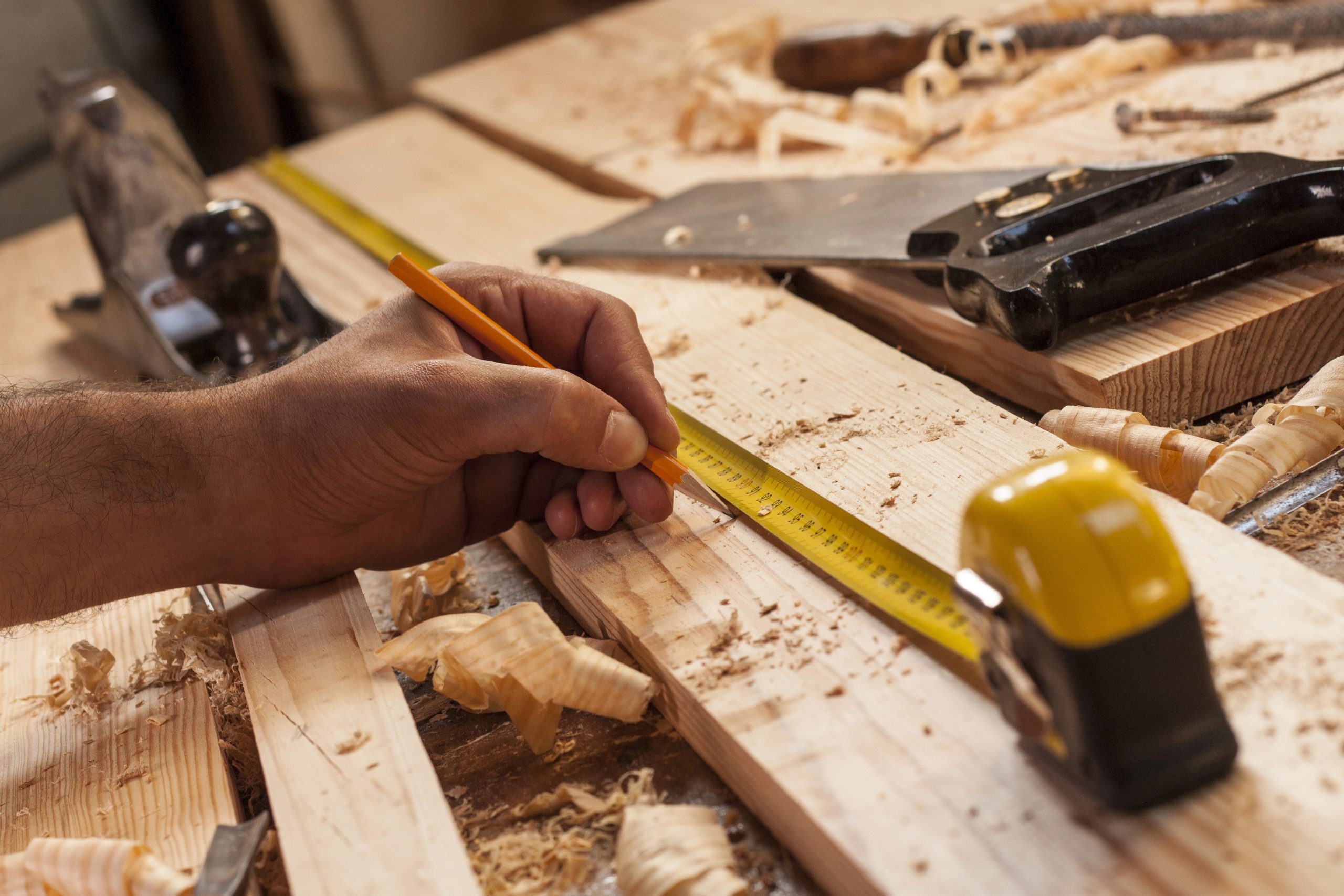
Any precise project begins with markings. Rulers, marking knives, and cutting knives will ensure the correct geometry even before cutting. Without clear markings, the best carving gouges do not guarantee an accurate result.
To control cuts, chisels and carving knives are used. A standard wood carving gouge helps you carefully shape edges. For hard-to-reach areas, a bent gouge (which has a curved shape) provides better access to detailed surfaces.
To create grooves, contours, and decorative elements, use woodworking gouges of varying widths and radii. Every carving gouge varies in its function, so there is no universal solution for all tasks.
It is equally important to maintain and care for your tools. Regular sharpening prolongs the service life of the wood carving gouge and improves the safety of the work.
How to Choose Carving Gouges for Different Types of Detail Work
When choosing carving gouges, consider three parameters: width, profile, and depth. The larger the sweep, the deeper the groove. A narrow wood gouge is best for thin lines, while a wider one removes more material for larger shapes.
For relief cutting, use tools with a medium profile, and for deep elements, bent gouge or more woodworking gouges. One correctly selected carving gouge can significantly simplify the folding operation.
It’s best for beginners to start with a small universal set of wood carving gouges. This will allow you to master the basics of gouge woodworking without high costs. With confirmation, the set can be expanded.
The brilliance of steel and processing directly contributes to the control and cleanliness of the cut. A cheap wood carving gouge is a bit dull and can take away any nervousness.
Common Mistakes When Buying Hand Tools for Precision Work
A common mistake is buying too many tools too soon. Without basic skills, professional gouges will not guarantee good results.
- Ignoring the sharpness of the blade and sharpening will also impair accuracy. Dull woodworking gouges will require more force and reduce control.
- Another mistake is that the choice of tools depends on the price. It is important to determine the type of project. One wood gouge cannot replace a full set of profiles for various tasks.
Building a Practical Starter Setup for Accurate, Detailed Woodworking
To get started, all you need is a basic set: a sizing knife, a number of chisels, a universal wood carving gouge with a medium profile, and a narrow wood gouge for details. Additionally, you can add a bent gouge for thicker elements.
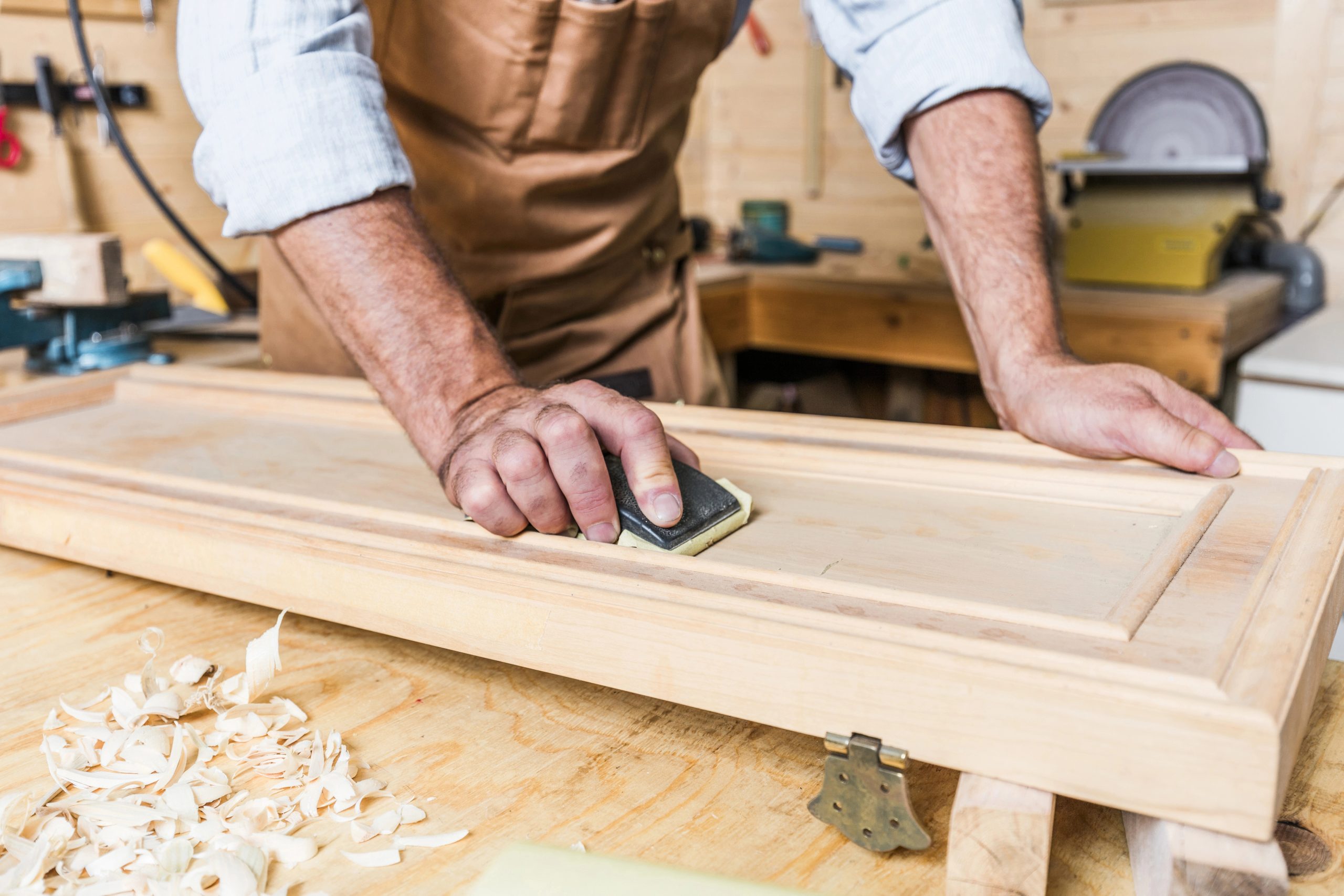
With the development of skills, gradually add new carving gouges for specific techniques. Organize a stable work environment with good lighting and secure clamping of the workpiece.
Properly selected woodworking gouges and thoughtful approaches to gouge woodworking allow for precision, line purity, and a consistently clear result to be achieved in every detail.