
Infant Sleeping Through the Night: What Parents Should Know and How to Encourage Longer Sleep for Your Little Ones
There are different milestones that many parents can’t wait to happen, like infant sleeping through the night, which at times is also commonly misunderstood. It’s developmentally normal for babies to wake up during the night. Although there are many stories of babies getting uninterrupted sleep for 8 to 12 hours, but the reality can be harsh and different since babies are different on their own way. Given this, proper understanding of your reality now, along with gentle strategies and simple routines can help you support a longer, more restorative sleep for your little one and yourself.
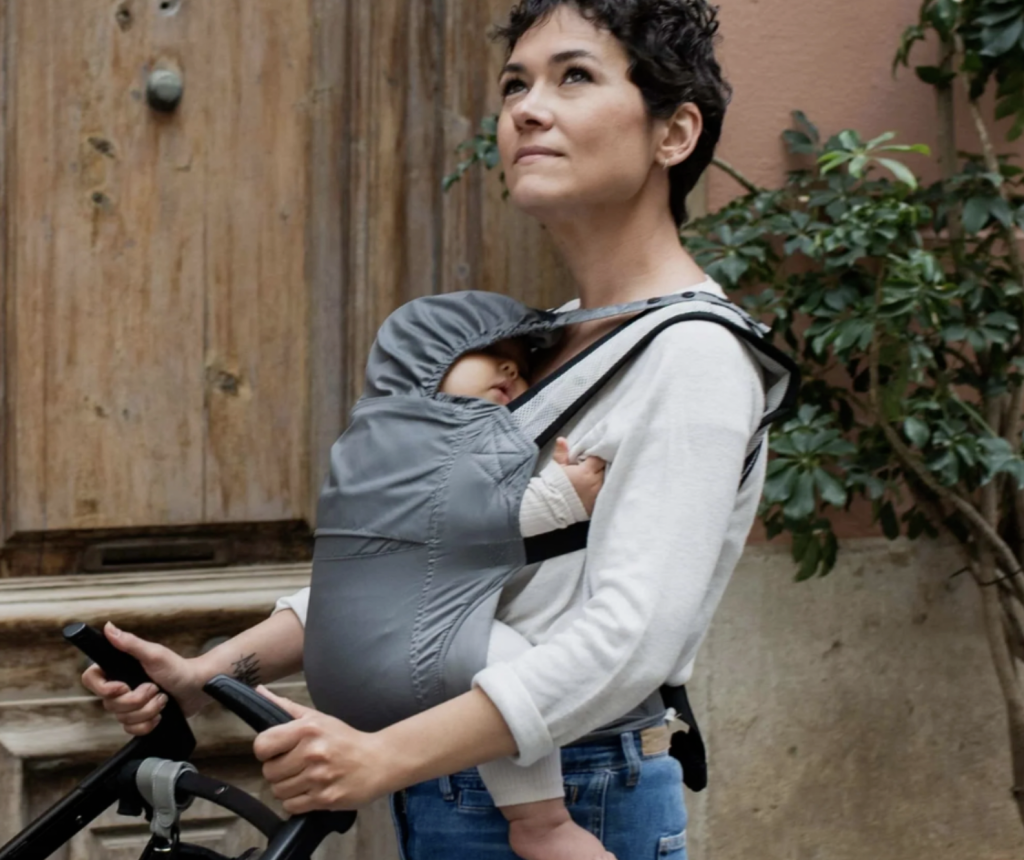
In this article we’ll talk about what “sleeping through the night” really means, what are the major influences of infant sleep patterns, and how you can gently encourage a more consistent nighttime rest without compromising your baby’s emotional or physical needs. With some help from a baby backpack carrier, keeping them close and reassuring them can help with your infant sleeping through the night.
Understanding “Sleeping Through the Night” in Infants
“Sleeping though the night” for adults can look like eight hours of uninterrupted sleep. Now when we talk about infants, it means something entirely different. When we’re relying based on medical and developmental terms, an infant sleeping through the night could mean a continuous stretch of 5 – 6 hours, that is observed when they are between the ages of 3 to 6 months.
The reasons behind newborns waking up more frequently are because their stomachs are small, their circadian rhythm isn’t well established, and their sleep cycles are short. This means that biologically babies really need to waking up to feed, comfort or sometimes to feel reassured especially in the first few months of life.
Understanding that they have this need can help you anticipate and accept the reality that infant sleeping through the night won’t come easily and comparing your child’s sleep to others can only add to your anxiety.
Establishing a Predictable and Calming Bedtime Routine
The most powerful tool that any parent can have for supporting infant sleeping through the night is being able to establish a calming and consistent nighttime routinary activities. Repeating the same gentle steps everyday each evening can help their brains connect these steps to sleep as babies thrive with predictability and consistency.
A soothing bedtime routine can look like,
- A warm bath
- Gentle massage
- Pajamas and fresh diaper
- Feeding
- A lullaby or quiet story
- Soft lighting and white noise
When you spend time carrying your baby or just keeping them close to you during the pre-bedtime hours, you’re providing more than comfort, this help reduce fussiness, and at times can be helpful in putting your baby to sleep. This closeness can also make the transition to sleeping at their sleeping space smoother when infant sleeping through the night.
Rather than aiming for perfection, your consistency will pay off more and be more impactful. Your routine also doesn’t need to be elaborate, the simpler the better and it also just needs to be predictable.
Optimizing Daytime Feeding to Encourage Night Sleep
Daytime nourishment plays a crucial role in nighttime sleep; it may seem that there’s no connection at all but babies that are well-fed throughout the day are more likely to meet their caloric needs before bedtime. This means that babies who get enough food for the day takes longer rests at night, reducing the night wakings caused by hunger. Aim for,
- Feeds that are unhurried and full
- Cluster feeding when nearing bedtime if your toddler naturally prefers it
- Aim to have regular feeding intervals
Babies who “snack feed” during the day may wake more often at night to compensate to have enough calories. Infant sleeping through the night can be supported with offering more focused daytime feeding.
Creating a Safe and Conducive Sleep Environment
When talking about optimal sleeping environment for babies, we’re talking keeping simple, safe, and soothing for them. Based on the safety sleep guidelines infants should sleep,
- On their own
- Lying on their back
- On a firm mattress in an empty crib or bassinet
Other than these safety guides, there are environmental factors that should also be considered are
- The room should be kept dark especially during nighttime sleep
- Use of white noise to block household sounds
- The room should be kept at comfortable temperature
- Dress your baby in comfortable clothing
Having a calm sleeping environment can support your baby’s nervous system to rest especially during the night, it also reinforces the development of longer sleep stretches you long for as well.
Addressing Sleep Associations and Encouraging Independent Sleep
Sleep associations are those conditions your baby connects with falling asleep, these could be things or actions like feeding, being held, or being rocked. Although these could be comforting for them it can also be the reason for frequent wakings, if your baby can’t fall back into sleep without the same support or condition.
It’s important to encourage the gentle independent sleeping skills to help your baby link sleep cycles more easily, a key step toward infant sleeping through the night. To help support this you can,
- Gradually reduce the motion or feeding to sleep
- Try to put them down when they became drowsy but still awake
- Allow brief pauses before responding to night wakings
This is a form of learning, although you might think that you’re ignoring your child, but that isn’t the case here. Giving them ample amount of time helps them practice their self-soothing skills in a rather responsive but still a very supportive way of letting them.
Navigating the 4-Month Sleep Regression and Other Setbacks
When the time comes around that your baby turns 4 months that many babies experience a sleep regression, this is mainly caused by developmental milestones they’ve achieved. Their sleep cycles become mature, and babies wake more frequently between cycles. Although this phase is challenging, it’s a temporary one and it actually signals neurological growth.
At time when they’re going through the regression,
- Keep your routine
- Offer comfort when needed
- Avoid introducing new sleeping conditions that you may later want to remove
Consistency during regressions can help prevent any long-term sleep disruptions and keeps you moving towards your goal of infant sleeping through the night.
Recognizing Appropriate Sleep Expectations by Age
A child’s sleeping needs can rapidly change within the first year,
- At age 0 – 2 months, the longest sleep stretch is about 2 – 4 hours
- 3 – 4 months, 4 – 6 hours
- 5 – 6 months, 6 – 8 hours
- 7 – 9 months, 8 – 10 hours
- 10 – 12 months, 10 – 12 hours
The developmental change of a child looks different from one another, so comparing them can be misleading for many parents. Instead focus on your child’s overall mood, growth, and well-being rather than setting a rigid and strict timeline.
When and How to Introduce Gentle Sleep Training Methods
At 4 – 6 months old, a gentle sleep training can be introduced to your little ones, by this time they should be developmentally ready. These following methods puts emphasis on responsiveness and emotional safety while still promoting longer sleep stretches. These includes,
- The fading method
- Chair method
- Gradual withdrawal
- Pick-up/put-down
These techniques help in supporting infant sleeping through the night without having to leave your baby to cry alone for extended period of time.
Conclusion
Infant sleeping through the night is not a race that you have to be first and expect it to happen immediately, it’s a developmental process that takes time, shaped by biology, consistency and supported by helpful environment. Progress can look like small steps, but each longer period of sleep is a sign that they’re growing well and thriving.
By means of creating a predictable routine, meeting your baby’s daytime needs, creating a soothing sleeping environment, and supporting independent sleeping skills with gentle guidance, you’re laying a strong foundation of healthy sleep habits that in time will provide a great benefit not only for your child but to you as well.