
The Hidden Cost of Ignoring Bulk Trash in Apartments—and How to Avoid It
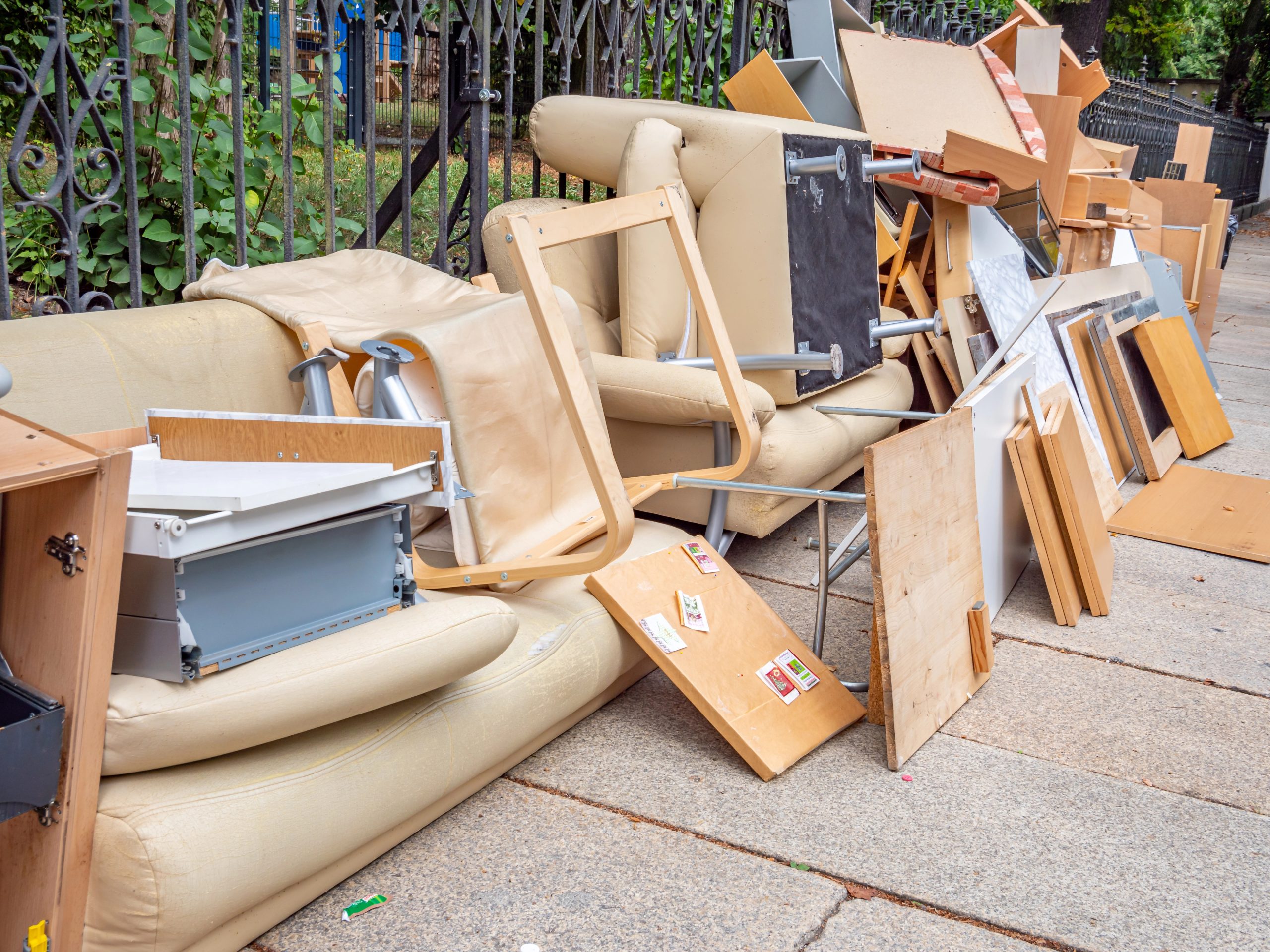
Unwanted sofas in stairwells. Broken appliances dumped beside dumpsters. Mattresses stacked outside leasing offices. For many property managers, these images are all too familiar—and all too costly. The reality is clear: failing to handle bulky item disposal in apartment complexes is more than just a nuisance. It’s a financial liability, a safety hazard, and a reputational risk.

The Real Cost of Looking the Other Way
When bulk trash is mishandled, the consequences can cascade.
Fines and Code Violations
Municipalities often impose strict regulations on bulk waste. Leaving items in unauthorized locations or outside of designated pickup windows can lead to steep fines. Repeat violations may result in suspension from municipal waste services.
Higher Turnover and Tenant Complaints
Tenants expect clean, safe living spaces. When they’re forced to navigate around junk, they’re more likely to leave negative reviews—or leave altogether. That turnover hits property managers with higher vacancy costs and increased marketing expenses.
Maintenance and Liability Risks
Bulk trash can damage hallways, elevators, and other building infrastructure. Worse, improperly stored items can become fire hazards or obstruct emergency access routes, exposing properties to potential lawsuits.
Why Bulk Waste Accumulates—and Quickly
The core issue is that many buildings lack a system for consistent, scalable disposal. Even properties that offer basic waste services often fail to account for the volume of bulk items generated during move-in/move-out seasons, evictions, or renovations.
Miscommunication compounds the problem. Some tenants don’t know what qualifies as bulk trash, while others assume that anything left near a dumpster will be handled without notice or fee.
Smarter Strategies for Modern Multifamily Communities
Fortunately, the situation is far from hopeless. Forward-thinking managers are taking proactive steps to stay ahead of the junk.
Communicate Before Problems Begin
The best time to address waste is before it appears. Many communities are embedding waste education into lease agreements, welcome packets, and building-wide communications. Multilingual signage, infographics, and digital notifications can boost awareness and compliance.
Designate a Drop-Off Zone
By creating a clearly marked, monitored location for bulk items, managers can reduce the likelihood of hallway dumping and speed up the removal process. The zone should be separate from regular trash areas and accessible only during designated hours.
Schedule Recurring Pickups with Professionals
Partnering with a trusted vendor to establish routine removal services reduces last-minute stress. Providers experienced in solutions for furniture disposal in rental properties—like Got Rubbish—understand the pace, privacy, and logistical needs of apartment communities.
The Sustainability Angle: Why Landfill Diversion Matters
Landfills aren’t infinite—and tenants know it. Communities that promote recycling, donation partnerships, and eco-conscious junk removal are increasingly viewed as modern and responsible.
Resources like Earth911 make it easy to locate local donation centers and recycling options for furniture, mattresses, and appliances. These actions not only protect the environment but also improve community perception.
Budgeting for Prevention, Not Reaction
One-Off Pickups vs. Subscription Models
While single-item removals can work in a pinch, they quickly add up. Many property managers are opting for monthly or quarterly flat-rate services, which offer predictable billing and higher responsiveness.
Avoiding the Hidden Costs
Improper bulk waste disposal carries unseen expenses—from extra labor hours and emergency cleanups to lost tenant retention and brand reputation. By budgeting for disposal in advance, managers can save both money and stress in the long run.
What Not to Do: Lessons from the Field
Some of the most costly mistakes are also the most avoidable:
- Assuming tenants will manage disposal on their own. This often leads to last-minute chaos.
- Waiting for items to accumulate. Reactive cleanup costs more and reflects poorly on the property.
- Overlooking seasonal trends. Lease cycles, campus housing turnovers, and renovation seasons create spikes in bulk waste.
Real-World Success Stories
Case Study: Phoenix Apartment Community
A 200-unit apartment complex in Phoenix faced repeated city fines due to illegal bulk waste dumping. By implementing a bi-weekly professional junk removal service and launching a tenant education campaign, the property saw a 75% drop in complaints and eliminated all regulatory violations within four months.
Case Study: Urban High-Rise in New York
This 30-floor residential tower struggled with hallway clutter and negative reviews. Management created a designated bulk waste area on the lower level, integrated scheduling into their tenant app, and partnered with a recycling-focused hauler. They reported a 60% improvement in resident satisfaction in follow-up surveys.
Policy Recommendations for Building Owners
To create long-term solutions, consider integrating bulk waste policies into standard operating procedures:
- Include bulk waste clauses in lease agreements.
- Provide new residents with disposal guidelines and maps.
- Offer quarterly “Community Cleanout” days to encourage responsible behavior.
- Work with vendors that offer digital reporting and sustainability metrics.
Final Thoughts
In an age of rising expectations and online reviews, property managers can’t afford to ignore the impact of bulk waste. By proactively addressing how they handle bulky item disposal in apartment complexes, building owners create cleaner, safer, and more desirable communities.
And when it comes to long-term value? The payoff is as clear as a clutter-free hallway.