
From Drudgery to Delight: Enjoyable Piano Practice for Kids
Kids are usually listening to “Cocomelon” nowadays, or engrossed in their favorite “Harvest Moon” game from their uncles and aunts, but have they ever nagged you to buy them a toy piano to start with? In this concise guide, you will learn how piano practice for kids can shape their learning lives, possibly their future.
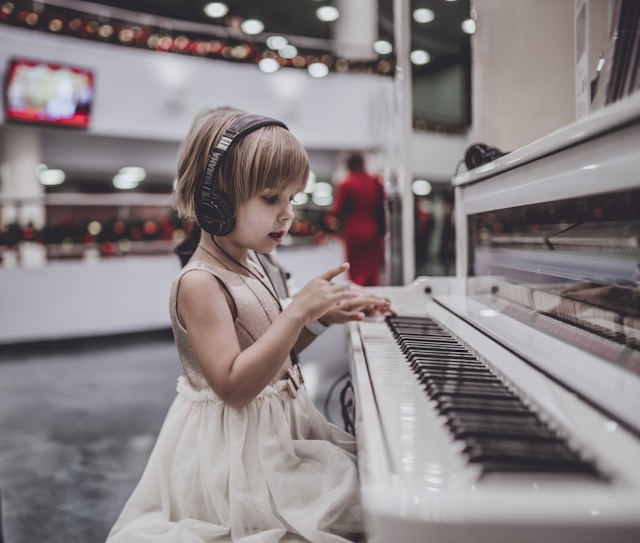
1. Parents, Know Your Child’s Music Tastes
This goes to show how important it is to track what your child listens to from the moment they are introduced to beats. Is it reggaeton that your neighbor plays in blasting tunes? Or, could it be those drums that they can hear playing from your vintage radio? Knowing your child’s music tastes before they can even press their first piano key will reverberate even if they turn 20s or 30s.
2. It’s Okay to Fail
Consistency is key, but variety is the spice that keeps kids engaged. Practice should ideally happen at the same time each day—right after school or before dinner, for instance—but within that structure, introduce variety. Rotate between technical work, learning new songs, and free play at the keyboard. One day might focus on rhythm, another on melody, and another on dynamics.
3. Find the Joy in Small Wins
Even if your four-year-old takes hours to play a line on a musical note, everything will be alright. They won’t get the piano at first try, of course, but with continuous playing and practice, they definitely can. Supplement their learning with something fun. Stickers, a musical planner, or even just a high five can make a big difference in reinforcing their motivation.
4. Fuse Gaming With Music
Try new experiences. You wouldn’t know it, but gaming can be combined with piano-playing. Let them realize that gaming can hone their minds, but can take their psyche into places.
5. Choose Music They Love
Classical recitals at home are essential, but so is the personal connection with the music. Allow your toddler to select their favorite songs from a movie they watch frequently or a song they always play when they feel they need to detach themselves from their parents’ guidance.
6. Let Them Embrace Creativity—Explore, Improvise!
Allot space within the week for them to explore new possibilities. Ask them to compose new tunes while drinking their favorite chocolate box of delightful drink, while in their fave fancy costume. Change their space, change their space for creativity, build musical comprehension, but can keep their experiences unique and original. Never dull.
7. Be a Supportive Parent
Even if you did not grow up with the intrinsic talent to learn how to play the piano, understand that your child may want to reach their goals through what else? Ten times ten, music. Support their interests, not just telling them to constantly watch the nightly news.
8. Allow Their Mistakes to be Their Biggest Break
What if they try to check piano songs to play from YouTube, but they realize that’s for the violin? Or, what if they grow up loving food more than you do, so that they always play gastronomy-inspired tunes? Let their mistakes be their most significant break. Eventually, they will learn from these, turning them into success.
9. Explore Piano Spaces While Traveling Abroad
You cannot always bring your piano instrument while setting out on a trip internationally. However, there are destinations like Chicago, where there are spaces they can try like a first timer at Starbucks. Let them see what the world of music can offer there.
10. Get a Piano Coach
Even the best home practice routine won’t help if the lessons themselves aren’t engaging. A great piano teacher knows how to balance structure and fun, challenge and encouragement. If your child is losing interest despite your efforts, it might be worth exploring a different teaching approach or environment, like a private piano lesson in Brooklyn, where personalized instruction often adapts to each child’s learning style and musical interests.
Most importantly, avoid turning your child’s piano space into a place where they’ll regret they’ve met the piano the moment they find peace with their careers. Did you know playing the piano also provides various advantages for their future? Even ask your grandma about this.