
A Sweet Tooth’s Guide to Spanish Desserts and Where to Find Them
Spain is a land of diverse flavors, and its desserts showcase a rich blend of regional traditions and culinary influences. From Arabic-inspired confections to creamy delights found in coastal cafes, Spanish sweets are as varied as the landscapes. Exploring these treats allows travelers to experience local customs and time-honored recipes with every bite. This article highlights beloved desserts across Spain and suggests where each can be savored for an authentic tasting experience.
Classic Comfort of Churros con Chocolate
Churros con chocolate stands as one of Spain’s most iconic treats, often enjoyed as a breakfast or late-night indulgence. These fried dough pastries are typically served hot and dusted with sugar, accompanied by a thick, rich chocolate dip. They are crispy on the outside and soft inside, making them a satisfying choice for all ages.

Madrid is home to some of the most famous churrerías, with San Ginés near Puerta del Sol being a longstanding favorite. Travelers can enjoy this treat after a day of exploring city landmarks or during a quiet morning among locals. A strong mobile connection via esim for Spain travel helps locate hidden churrerías, check opening hours, or explore popular cafes effortlessly.
Creamy Elegance of Crema Catalana
Crema Catalana, similar to crème brûlée, is a custard dessert with caramelized sugar on top and subtle flavors of citrus and cinnamon. Traditionally served in Catalonia, it is often part of festive meals but is widely available in tapas, bars, and restaurants throughout the region. Its light yet flavorful profile makes it a refreshing end to any meal.
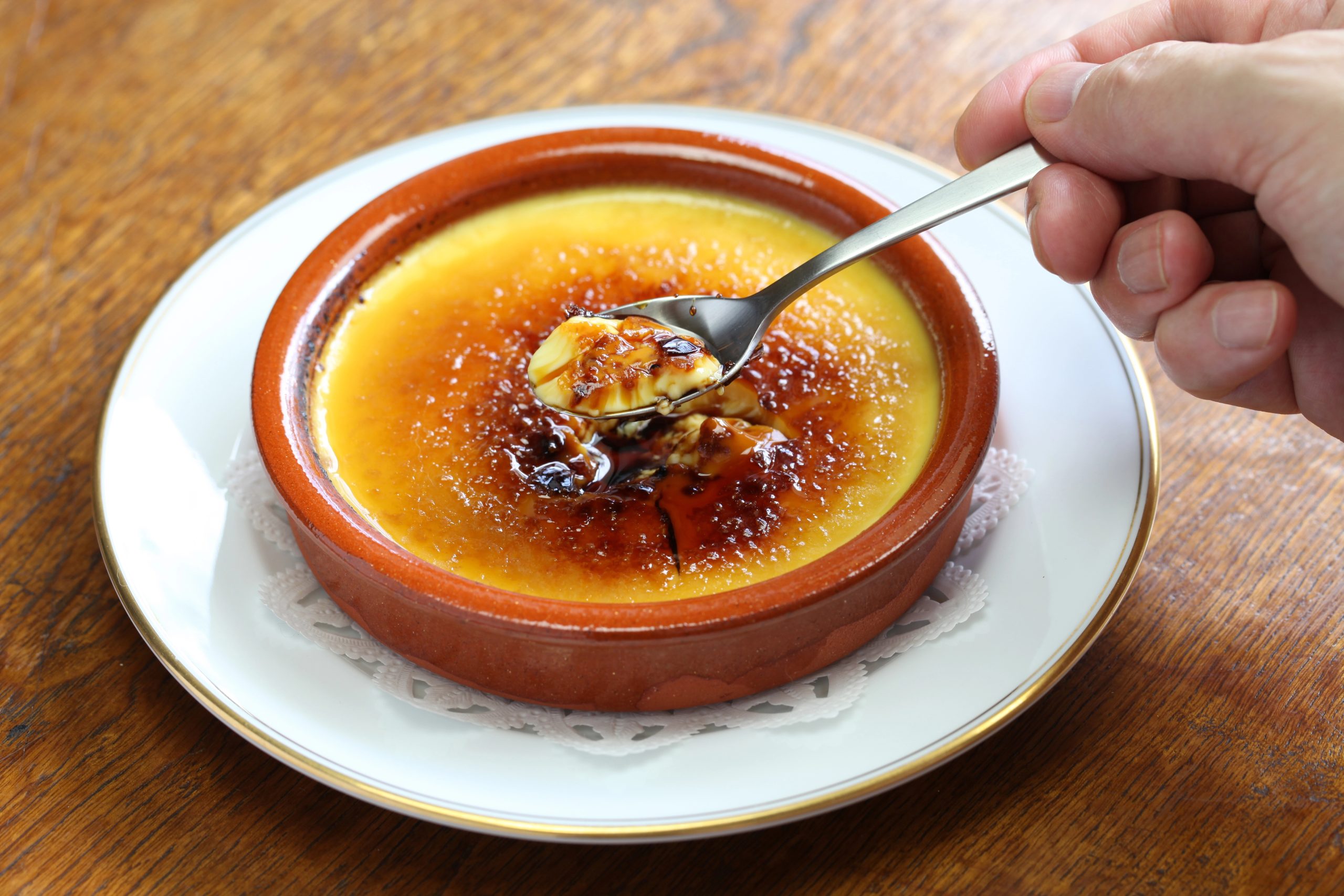
Barcelona’s historic El Born and Gothic Quarter neighborhoods offer many bistros where this dessert can be found on the menu. Travelers can enjoy a scenic walk followed by a relaxing dinner featuring this silky treat. Many of these establishments use traditional family recipes, preserving the authentic flavor and texture of Crema Catalana.
Nutty and Crisp Delights of Turrón
Turrón is a traditional Spanish nougat made with almonds, honey, and egg whites, often consumed during the winter holidays. It comes in hard (Alicante-style) and soft (Jijona-style) varieties, appealing to different textures and tastes. The dessert dates back centuries and remains a staple in festive celebrations across the country.
Jijona, near Alicante, is known for producing some of the finest turrón and even houses a museum dedicated to it. Shops in Valencia and Madrid also carry artisan options year-round. Visitors can also time their trip with local turrón festivals, where tasting stalls and demonstrations celebrate this cherished Spanish sweet.
Silky Layers of Tarta de Santiago
Originating in Galicia, Tarta de Santiago is an almond-based cake known for its dense texture and subtle citrus flavor. Often marked with the Cross of Saint James and dusted with powdered sugar, it reflects both religious and regional pride. The cake is naturally gluten-free and widely appreciated by both locals and travelers. Santiago de Compostela is the best place to enjoy this cake, especially in cafes near the historic cathedral. It pairs well with a cup of coffee or local herbal tea after a day of sightseeing.
Sweet Simplicity of Flan and Natillas
Flan, a caramel custard dessert, and Natillas, a cinnamon-topped milk custard, are widely served across Spain as comforting, everyday sweets. Both are creamy, mildly sweet and often homemade in restaurants or sold in local bakeries. These desserts reflect the Spanish preference for simple, balanced flavors.
Flan can be found in nearly every region, but some of the most enjoyable servings come from small eateries in towns like Ronda or Segovia. Natillas are common in family-run establishments and are sometimes flavored with lemon zest or biscuit toppings. Staying connected via an eSIM for Spain allows travelers to discover authentic places with homemade desserts that may not be featured in tourist guides.
Caramel Crunch of Leche Frita
Leche frita, or “fried milk,” is a northern Spanish dessert made by thickening milk with flour and sugar and then frying the mixture into golden squares. Served with cinnamon and sugar, it offers a warm, chewy bite popular in regions such as Castilla y León. Cities like León or Burgos feature this dessert in taverns and markets.

It is often offered as part of daily menus or seasonal tasting sets. The contrast between its crisp coating and soft interior makes it a comforting choice. Many local eateries pair it with sweet wines or coffee for a traditional finish.
Conclusion
Spain’s desserts reflect its rich cultural diversity, deep historical roots, and regional pride. From festive breads to simple custards, each dish tells a story of local tradition and seasonal celebration. Sampling these desserts creates a flavorful memory that endures long after the last bite.