
Amusement and Learning Combined: Educational Games for Early Development
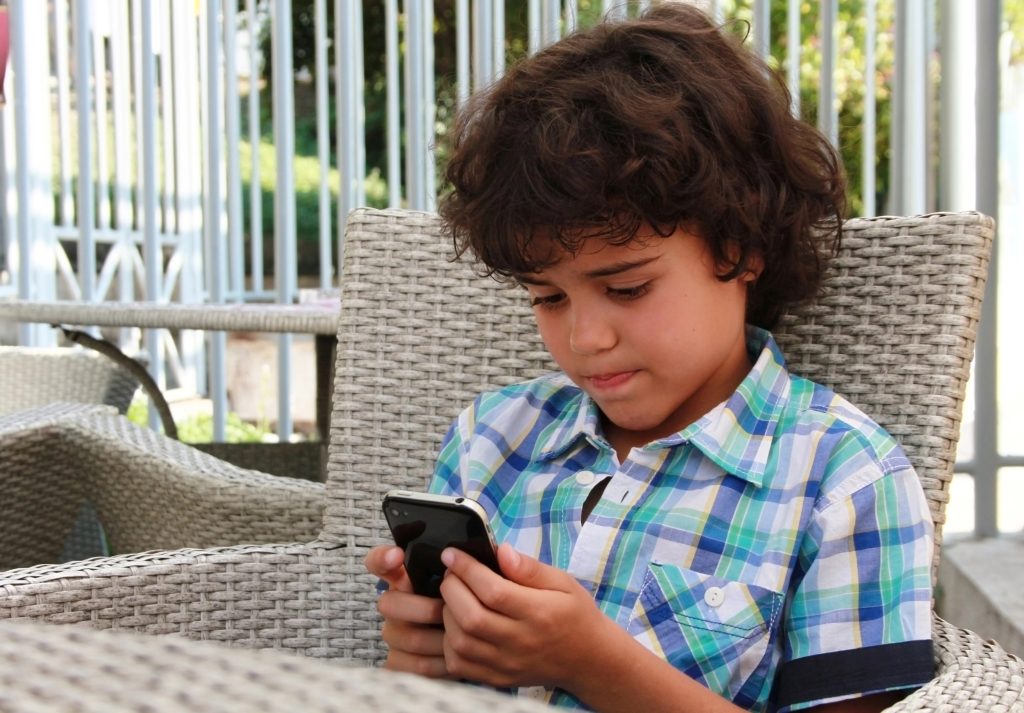
Most younger learners use mobile devices to use various apps and educational kid games, but this presents an opportunity where parents can allow their children to play educational games, allowing them to “learn while playing.”

Technology has revolutionized therapy sessions with children, offering exciting new ways to engage and support development. Interactive games have emerged as fantastic resources, fusing fun with functional therapy.
The Importance of Educational Games in Child Development
Across the years, research and data have demonstrated that educational games not only improve children’s learning but also foster curiosity and improve academic achievement in the future. They improve critical life skills, which are immensely significant for the learning and development of young children. Specifically, children can use and improve a variety of cognitive, social, and physical skills while playing.
Educational games provide instructors and families easy ways to appeal to each child’s individual learning needs.
- Visual learning: Visual learners often absorb knowledge by seeing the topic or idea in front of them. It can be quite beneficial to play games that use visuals such as photos, graphs, and maps to help students learn new ideas and concepts. These graphics can provide insights for issue solving and keep the user involved in a visual experience.
- Auditory learning: To understand new ideas, auditory learners prefer to talk and listen. As a result, instructional games are best learned in group and classroom settings. This method of learning works well with games that use sound or that require discussing new ideas aloud.
Of course, no classroom can accommodate a single learner style. Thus, it’s critical to provide educational activities that cater to the demands of several students at once as well as multimodal learning strategies in the classroom.
Integrating Educational Games into the Learning Schedule
Try the following steps to achieve that, and get your students motivated:
Locate the ideal match: You must develop a close relationship with your students. As a result, appropriate games will be selected. Since learning Bini Games come in a wide variety, it is crucial that you evaluate them and select the one that best fits the objectives of your lesson as well as the requirements and preferences of your pupils.
Allow creativity to flow: Giving your child the chance to make their own educational game would not only give them the freedom to create, but it would also help them fully understand how games work because they would have to make their own rules that other players would have to follow.