
Five ideas to turn your spare room into a relaxation space
If you’re lucky to have a spare room at home, then utilising it effectively is something you shouldn’t take for granted. Yet so many of us turn our spare rooms into dumping grounds. Filled with clutter and serving no practical purpose other than seeming unsightly.
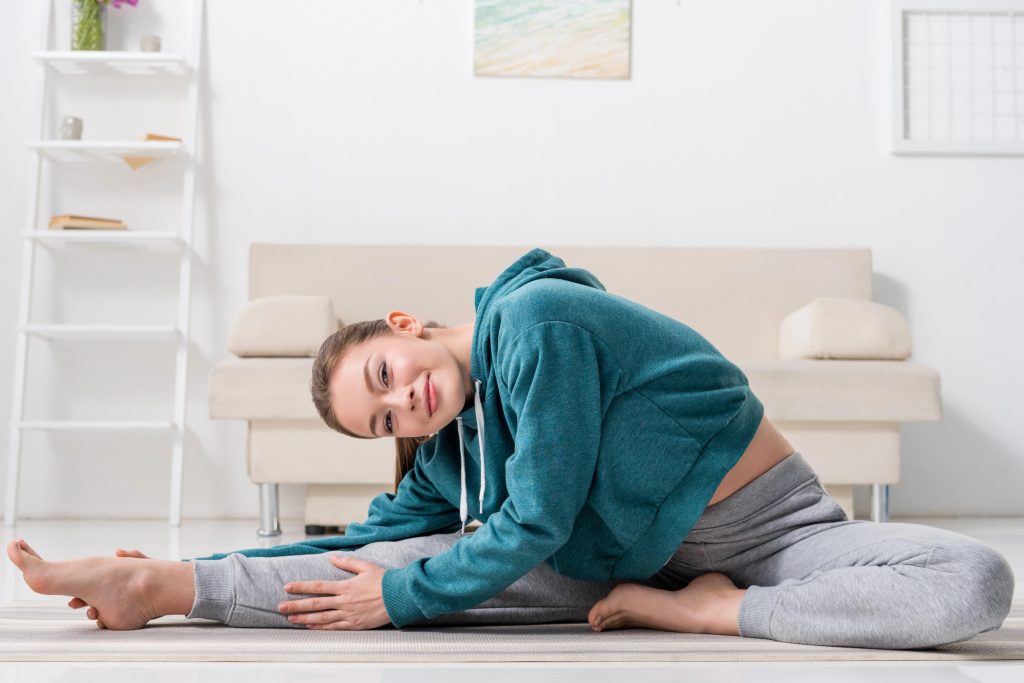
Of course, many of us have turned such spaces into offices in recent years or home gyms, but with more of us struggling with our mental health, it could well be worthwhile dedicating it to being a relaxation space.
Relaxation spaces are becoming more and more on trend, particularly as so many of us are seeking professional help for our mental health, speaking to counsellors at a private mental health clinic or seeking support groups, joining yoga or meditation classes and more. So why no create a space at home to escape from the stresses and strains of daily life and reset a little?
There are so many great ideas around the internet to get you started, so we’ve collated some of the best to get you started on turning your home into a relaxation space…
Create a Calming Colour Palette
The colours you choose for your relaxation space can significantly influence the atmosphere and your mood. Soft, muted tones are ideal for creating a calming environment. Think soothing shades like light blues, pale greens, soft greys, and neutrals. These colours evoke a sense of tranquillity and peace, helping to lower stress levels.
If you prefer a bit more vibrancy, consider pastel hues such as soft peach, lavender, or blush pink. These colours still provide warmth and comfort without being too stimulating. To tie the room together, use matching cushions, throws, and rugs to enhance the feeling of calm and cohesion in the space. Avoid bold patterns and overly bright colours, which can be energising and may detract from the peaceful atmosphere.
Incorporate Comfortable Seating
A key component of any relaxation space is comfortable seating. Whether you envision yourself reading, meditating, or simply sitting quietly with a cup of tea, a comfortable chair or sofa is essential. Consider a plush armchair with a footrest, a soft chaise longue, or a beanbag for a more casual and cosy feel.
If you’re aiming for a minimalist design, a floor cushion or a meditation stool could be perfect for your needs. Choose seating that invites you to sit for extended periods, allowing your body to fully relax and unwind. Additionally, make sure your seating is positioned to make the most of natural light, perhaps by a window, to add an uplifting touch to the room.
Add Greenery and Natural Elements
Bringing the outdoors inside is one of the easiest ways to create a peaceful and rejuvenating space. Plants not only improve air quality but also contribute to a sense of calm and wellbeing. Consider adding a few houseplants to your spare room—plants like snake plants, peace lilies, or spider plants are low-maintenance and thrive in most indoor environments.
If you’re not particularly green-fingered, even a single potted plant can make a difference. Alternatively, you could introduce natural materials into your décor, such as wooden furniture, woven baskets, or linen curtains. These natural textures help to ground the space and create a connection to nature, enhancing the room’s relaxing qualities.
Create a Sensory Experience
A relaxation space should engage all of your senses to provide the ultimate soothing experience. Start by considering the lighting in the room. Soft, ambient lighting is ideal for creating a serene atmosphere. Add dimmable lamps, fairy lights, or salt lamps to create a warm, inviting glow. Avoid harsh, overhead lighting, as it can feel clinical and jarring.
To engage your sense of smell, incorporate scented candles, essential oil diffusers, or incense. Scents like lavender, chamomile, and eucalyptus are known for their relaxing properties and can help calm the mind and body. You could also include a playlist of calming music or nature sounds, which can further enhance the tranquillity of the space.
Incorporate Personal Touches
Lastly, make your relaxation space truly yours by adding personal touches that reflect your interests and bring you joy. This could be a shelf of your favourite books, a selection of art supplies for creative projects, or photographs and artwork that make you feel happy and peaceful.
Consider keeping the room clutter-free by using storage solutions like baskets, shelves, or hidden storage in seating or tables. A clear, organised space is vital for mental clarity and relaxation, so aim to keep only the essentials in the room, ensuring that it remains a stress-free environment.
You could also introduce soft textiles, such as throws and cushions, to add warmth and comfort. Layering different textures, like cotton, wool, or faux fur, creates a tactile environment that invites relaxation.