
How Magnetic Therapy May Support Ovulation and Hormonal Balance
Magnetic therapy, an alternative health practice, has garnered the attention of those seeking natural treatment options for numerous conditions. Magnets are used in this practice to help bring health and wellness. Magnetic therapy is being experimented with in several fields, but the most notable is magnetic therapy for ovulation and hormonal support. This article explores how magnetic treatment could help these two critical areas of women’s health.
Understanding Magnetic Therapy
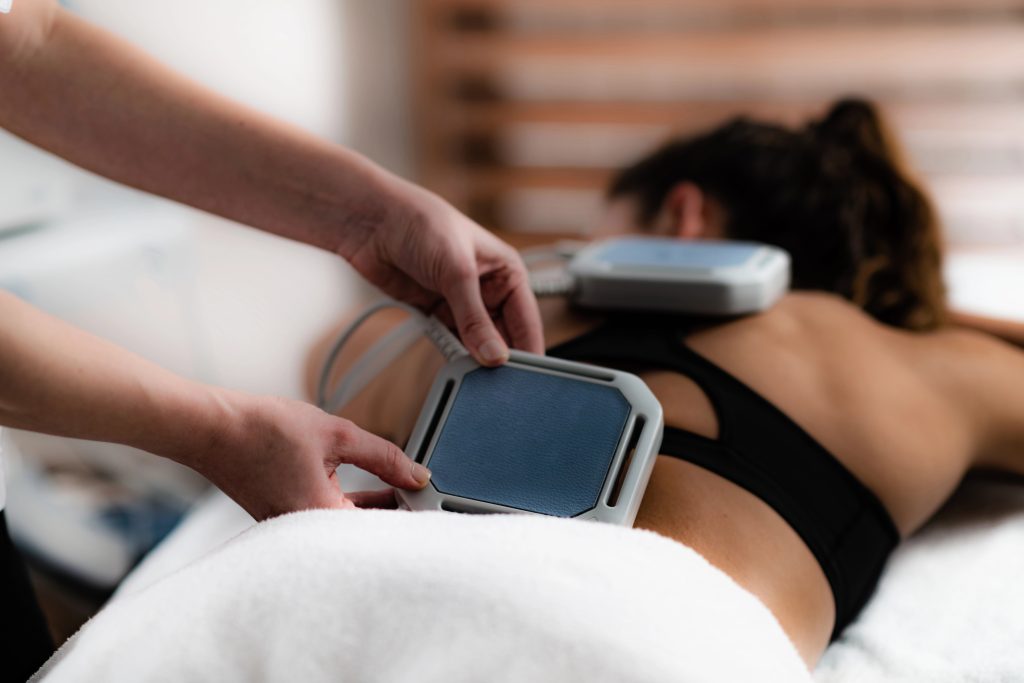
Magnetic therapy is about the way magnets influence our energy fields. Supporters believe that exposure to magnetic fields can affect mental and physical health. Magnets are usually placed in pads to temporarily localize them on specific body areas. Magnetic ovulatory restoration therapy is still subject to scientific research, but many say it works for them.
The Ovulation Process

Ovulation is an essential phase in the reproductive cycle that releases an egg from the ovary. This process occurs (typically) every 28 days and is necessary for conception. Hormones (like estrogen and progesterone) control ovulation. A slight imbalance in these hormones can affect the menstrual cycle and cause infertility. Hormonal balance is vital for a regular cycle of ovulation.
Hormonal Balance and Why It Is Important
Maintaining a healthy endocrine system is essential for overall health, especially if reproductive difficulties are involved. Hormones influence mood, metabolism, and reproductive functions. Hormonal disturbances can cause issues such as polycystic ovary syndrome (PCOS) or irregular periods. Balancing hormone levels can improve these problems, which increases reproductive health.
A Possible Effect of Magnetic Therapy on Ovulation
Some hint that magnetic therapy may help cure ovulation by inducing hormonal balance in women. Magnets may impact hormone modulation by changing the environment or affecting the body’s energy fields. While objective scientific data still needs to be verified, reproductive health seems to respond favorably to magnetic therapy, as observed in anecdotal reports. Those who used magnets have reported greater regularity in their menstrual cycle, which suggests a potential connection.
How Does Magnetic Therapy Work?
The exact mechanism of how magnetic therapy could affect ovulation and hormones remains unclear. The assumption is that magnets increase blood flow and blood circulation. Better circulation may improve nutrient delivery and waste removal, which aids ovarian function and may lead to a more normal, consistent hormonal cycle.
Scientific Research and Studies
There is little scientific research on the effect of magnetic therapy, if any, on ovulation or overall hormonal balance. Other research has examined magnets for headaches, arthritis, and inflammatory bowel disease. More research on reproductive health is necessary, however. Until then, personal experiences and anecdotal evidence provide clues about magnetic therapy’s possible usefulness.
Safety and Considerations
Magnetic ovulatory restoration therapy is relatively safe but may not be appropriate for everyone. Pregnant women and people with specific medical devices, such as pacemakers, should not use magnets. If considering alternative treatment, it is essential to consult with healthcare professionals first, who will ensure that the selected therapies depend on the person’s health and condition.
Combining Magnetic Therapy with Other Modalities
Using magnetic therapy and other health measures may improve the results if you’re interested in magnetic therapy. Addressing ovulation with natural magnetic therapy alongside a balanced diet, exercise, and relaxation techniques may offer greater support for hormonal balance. Some effective treatments may be behind the best sites that suit your needs, so trying out different aspects may assist in finding one that works.
Conclusion
There is potential use of magnetic therapy to help support ovulation and hormones, despite there being little scientific evidence, but some patients say this alternative method works for them. The revival of magnetic therapy is still in its infancy. While there are mysteries to unravel, the answers to whether or not it can help women’s reproductive health more effectively will become evident as research continues. In the meantime, anyone interested should keep an open mind about magnetic therapy, speak with their health care professionals, and phase magnetic therapy as part of a holistic regimen.